What a cave cenote tour is actually like
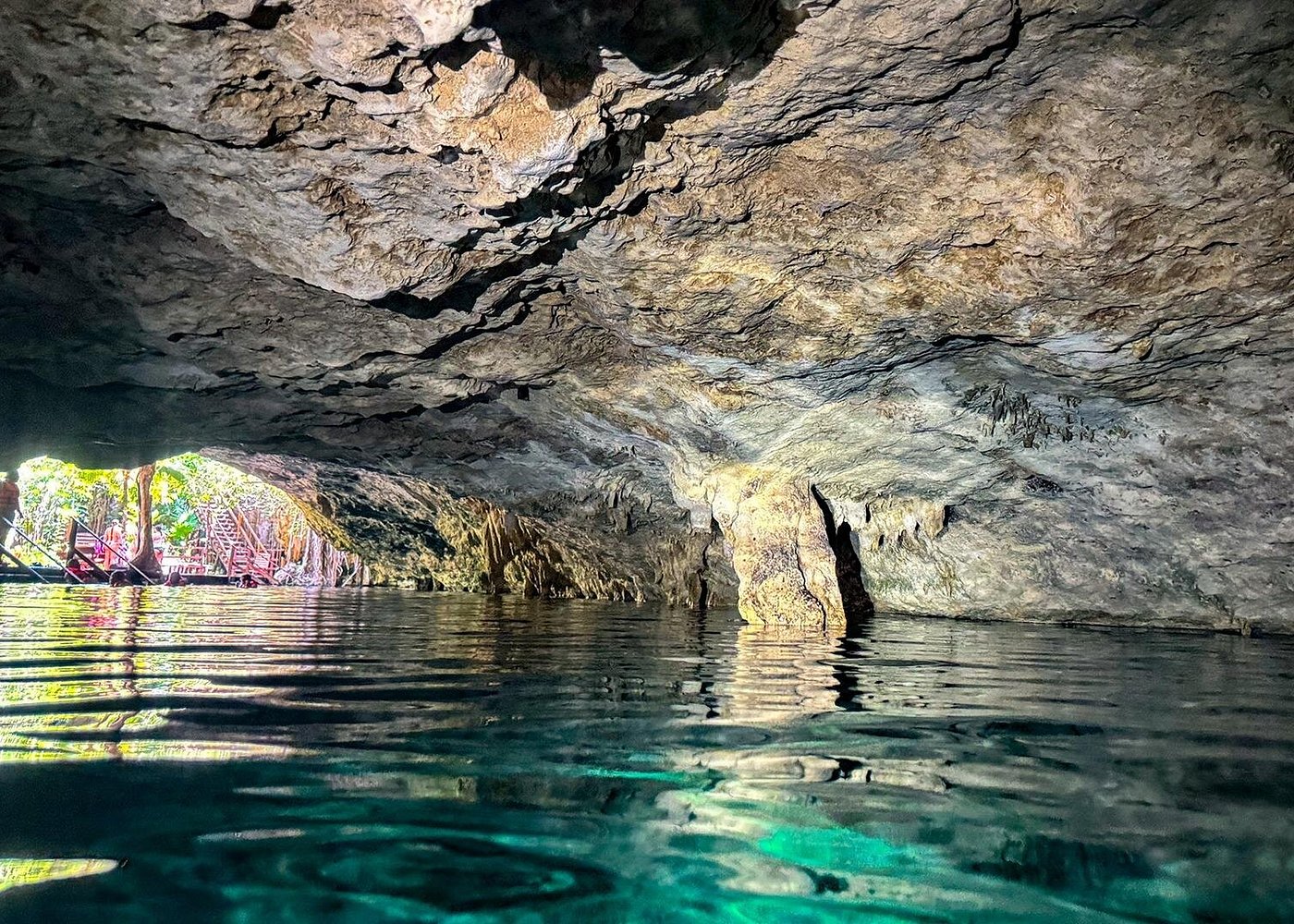
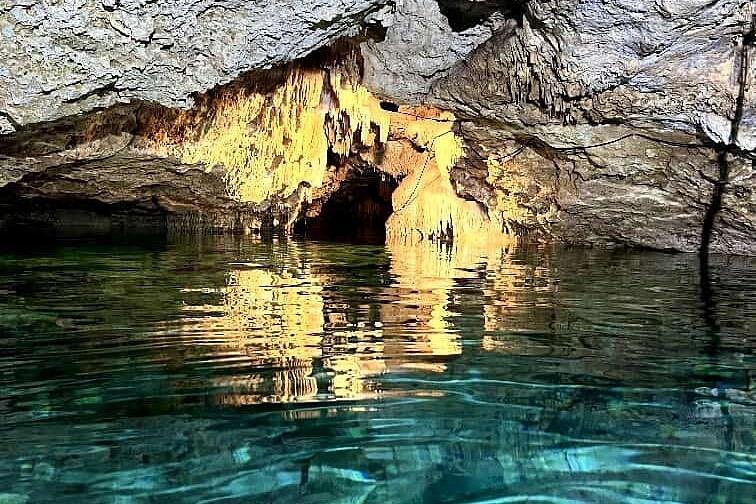
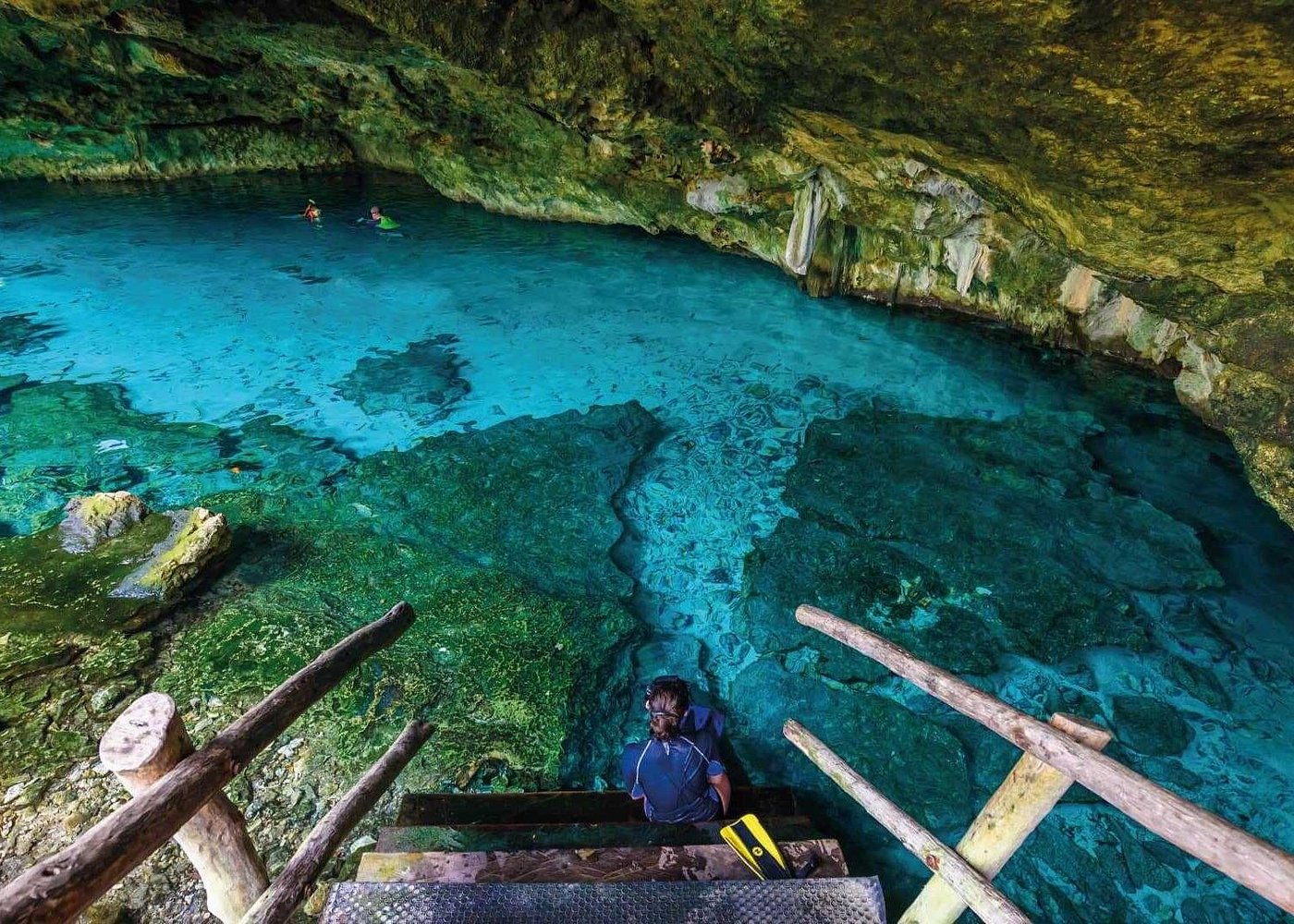
A cave or cavern cenote is one where the limestone roof never fully collapsed. You enter down steps into a chamber that is enclosed, cool and dark, and swim through passages under a ceiling of stalactites, following a guide and often a light. Where the roof has partly fallen in, daylight drops through in shafts and lights the water from above.
The distinction that matters for safety and for booking is cavern versus cave. Cavern sections are near the entrance, within reach of daylight, and are snorkelled on the surface with a life jacket by anyone who can swim. True cave passages run beyond daylight and require specific technical certification. Every tour here visits the cavern; none of them is a cave dive.
Which roofed cenotes these tours reach
- Parque Dos Ojos — two sinkholes joined by a passage of roughly four hundred metres, and one of the most famous cavern systems in the world.
- Cenote Taak Bi Ha — an underground chamber with stalactites reaching to the surface and almost no natural light. The strongest traveller descriptions on this coast attach to it.
- Cenote Nohoch — enclosed and formation-heavy, and the cenote where these tours allocate the most time: two hours as standard, three on one.
- Parque de Cenotes Yax-Muul — a cave cenote with bats above the water, given a generous two hours.
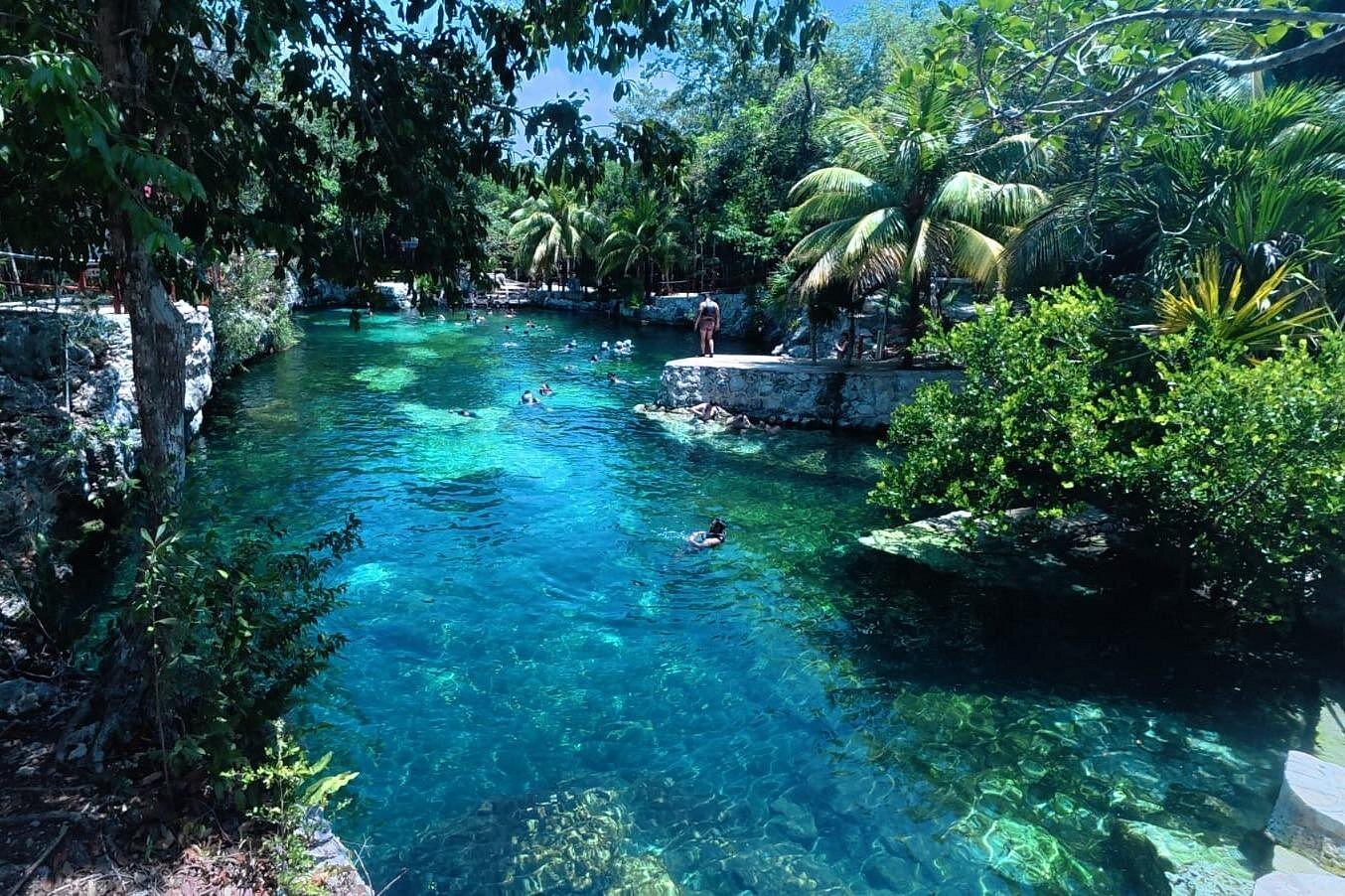
- Cenotes Casa Tortuga — a park circuit mixing open, semi-open and cave cenotes, which suits a group that disagrees about caves.
Time in the water matters more here than anywhere
Forty minutes in a cave cenote is a swim through and out. Two hours is a different experience: long enough to go slowly, stop under the formations, warm up and go back in, and be there after the group ahead has left.
The tours here allocate anything from an hour to three hours at the roofed cenote. If the cave is the reason you are booking, that figure is the one to compare, not the fare. Several tours here that cost more give you less of it.
Know it is enclosed before you book
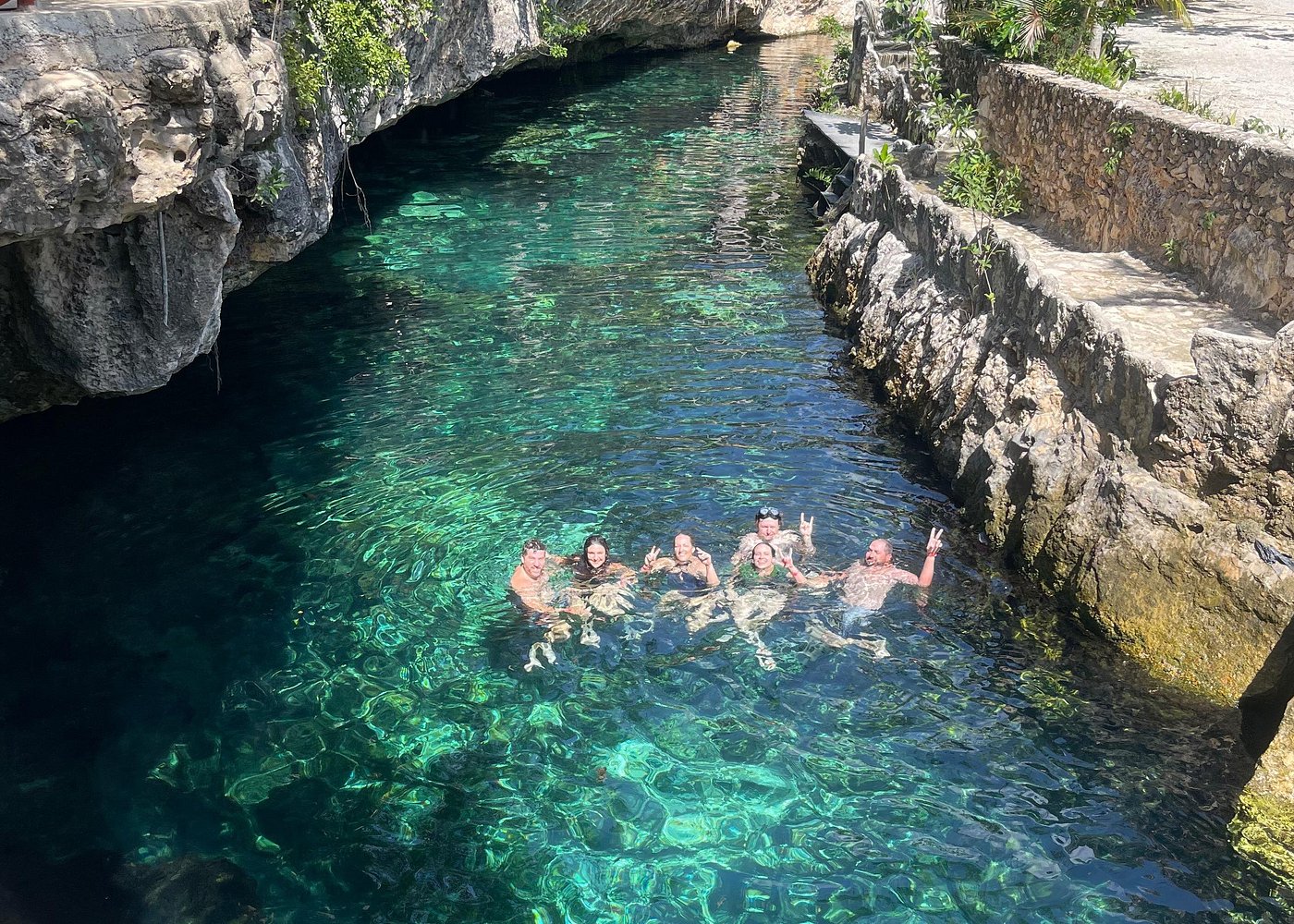
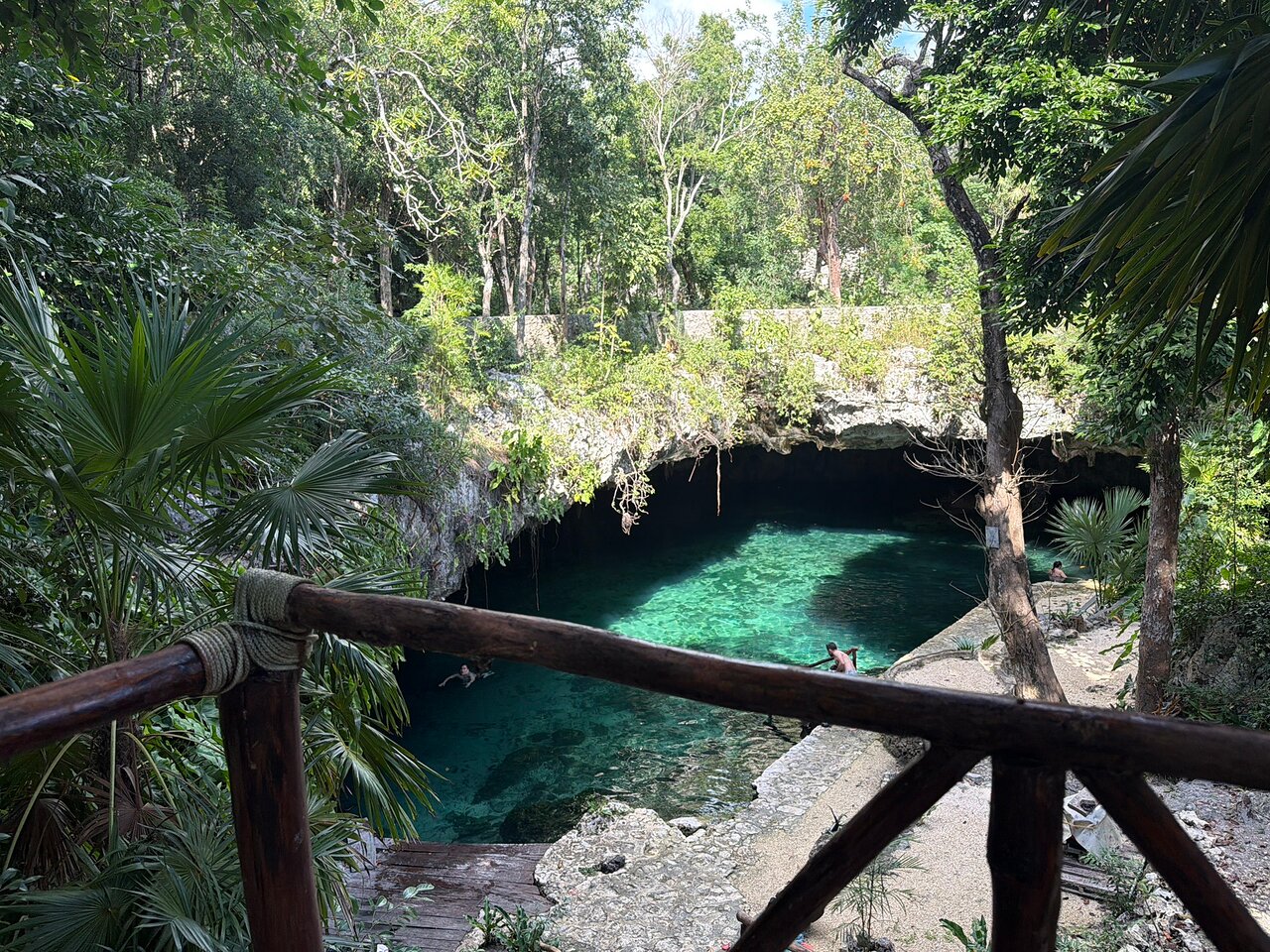
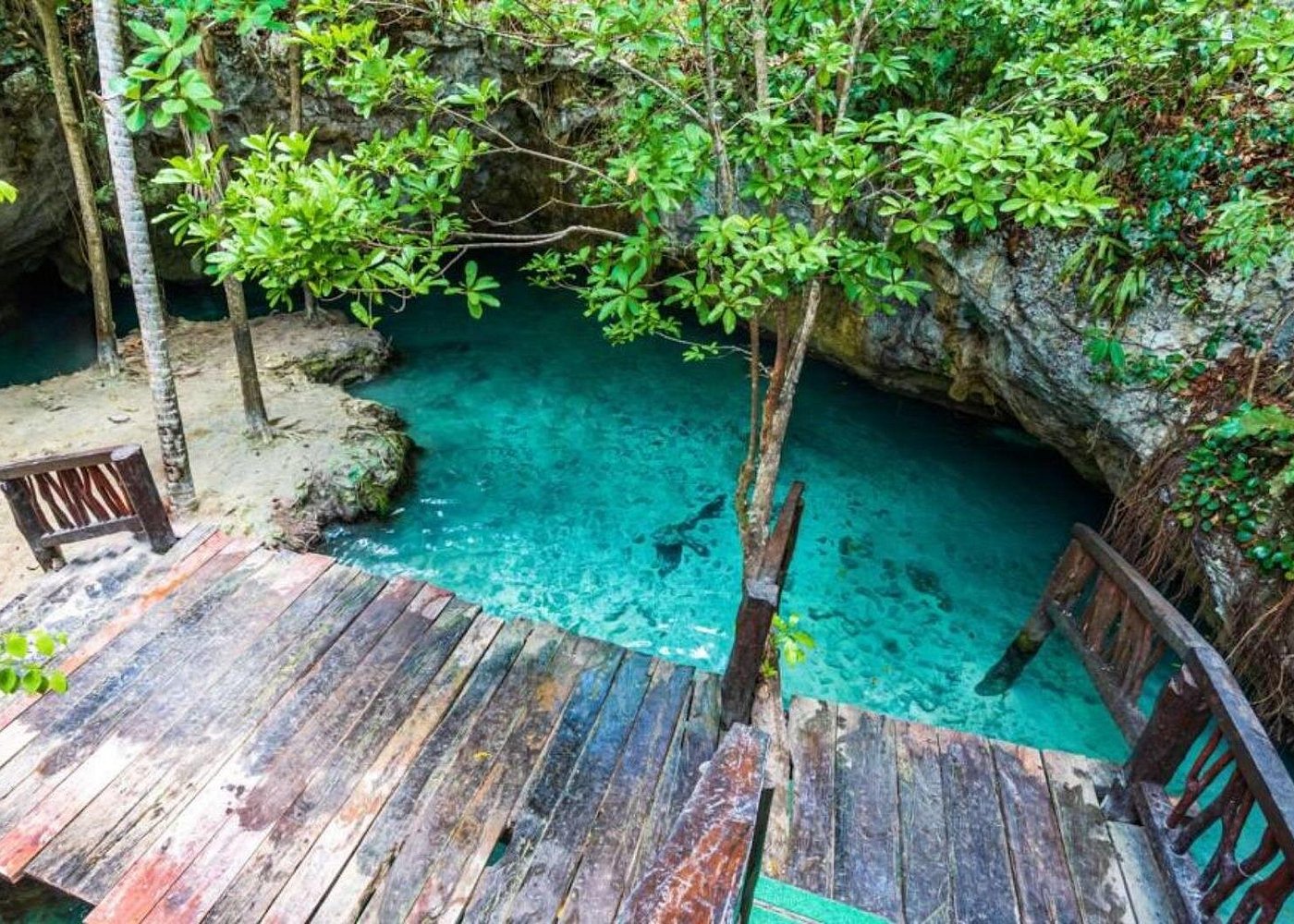
This is the single most common mismatch of expectation on this coast. Booking photographs tend to show turquoise open water; the itinerary says cave cenote; travellers arrive and are surprised. It is a genuinely striking swim and it is not a sunbathing spot.
If anyone in your group is uneasy in enclosed water, three options work. One tour here makes the cave swim explicitly optional and lets guests stay in the open section. The Casa Tortuga circuit includes open cenotes alongside the cave. And Canamayte puts a bright semi-open cenote five minutes from a cavern, so nobody has to sit the stop out.
Bats, formations and what you will see
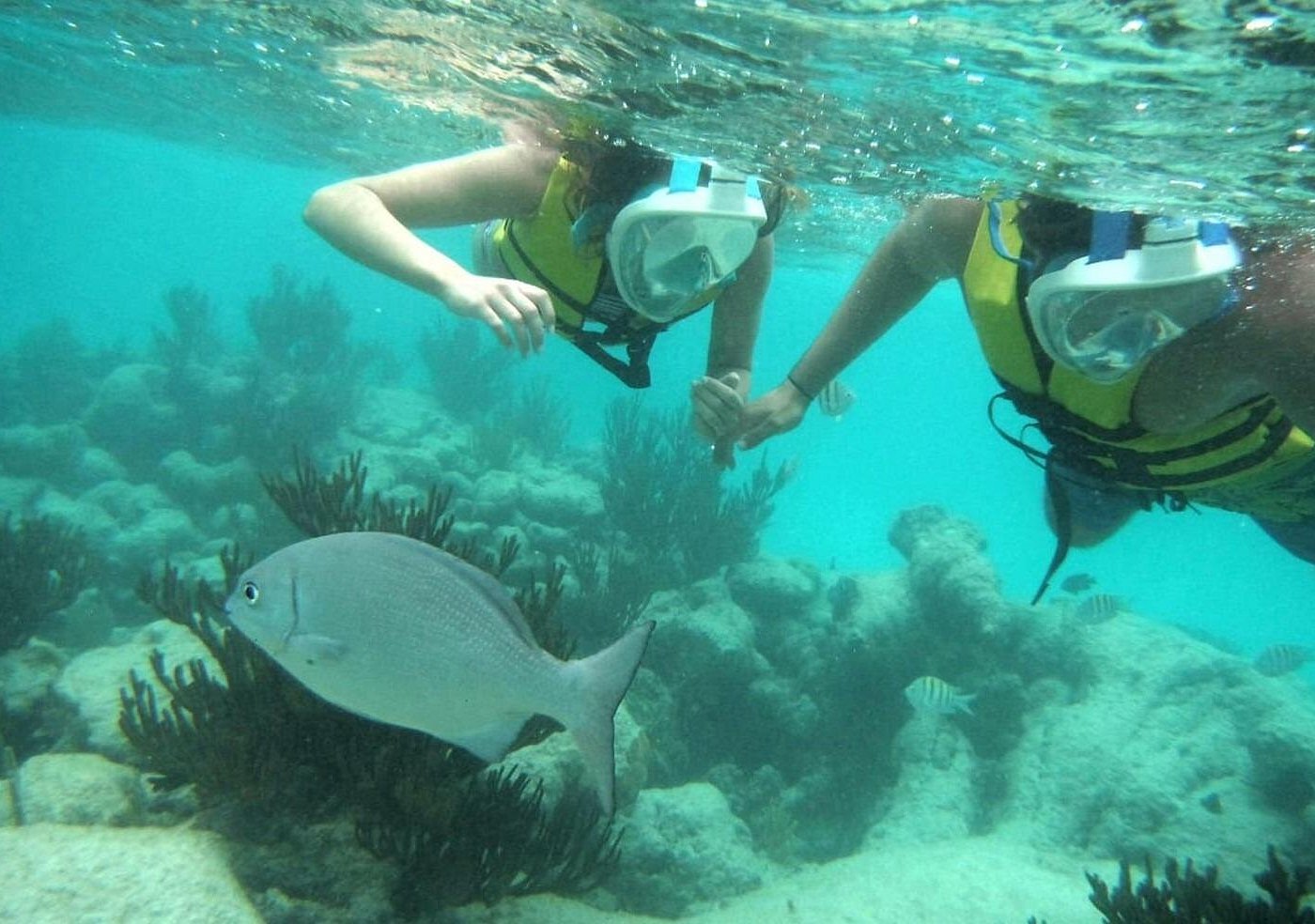
Bats are normal in every roofed cenote and are part of why these places are worth visiting: they are insectivores, they have no interest in swimmers, and a colony indicates a cave system healthy enough to support one. Small freshwater fish live in the same water.
The stalactites and columns formed in open air, before the system flooded at the end of the last ice age. They are older than the water they now hang above, which is the fact most guides lead with and the one most people remember.
Practicalities specific to cave cenotes
- It is colder. No sun reaches the water. A rash guard buys you meaningful extra time.
- Bring your own mask if you own one. A leaking rental mask spoils a cavern swim far more than an open one, because you cannot simply stand up and clear it.
- Fins are usually discouraged to protect the formations.
- Photography rules vary by site, not by tour. Several cenotes ban personal devices in the water entirely and sell photographs instead.
For what each individual cenote is like, see the cenotes around Tulum, one by one.